


Situated in the north of the Deux-Sèvres department, the Thouarsais is ideally located between the Loire Valley and the Atlantic coast. The 24 communes offer a varied landscape of agricultural plains, hedged farmland and vineyards. The GR36 and the Vélo Francette, two major national walking and cycling routes, cross the area and allow visitors to discover our natural, historical, cultural and leisure heritage.
Tourtenay
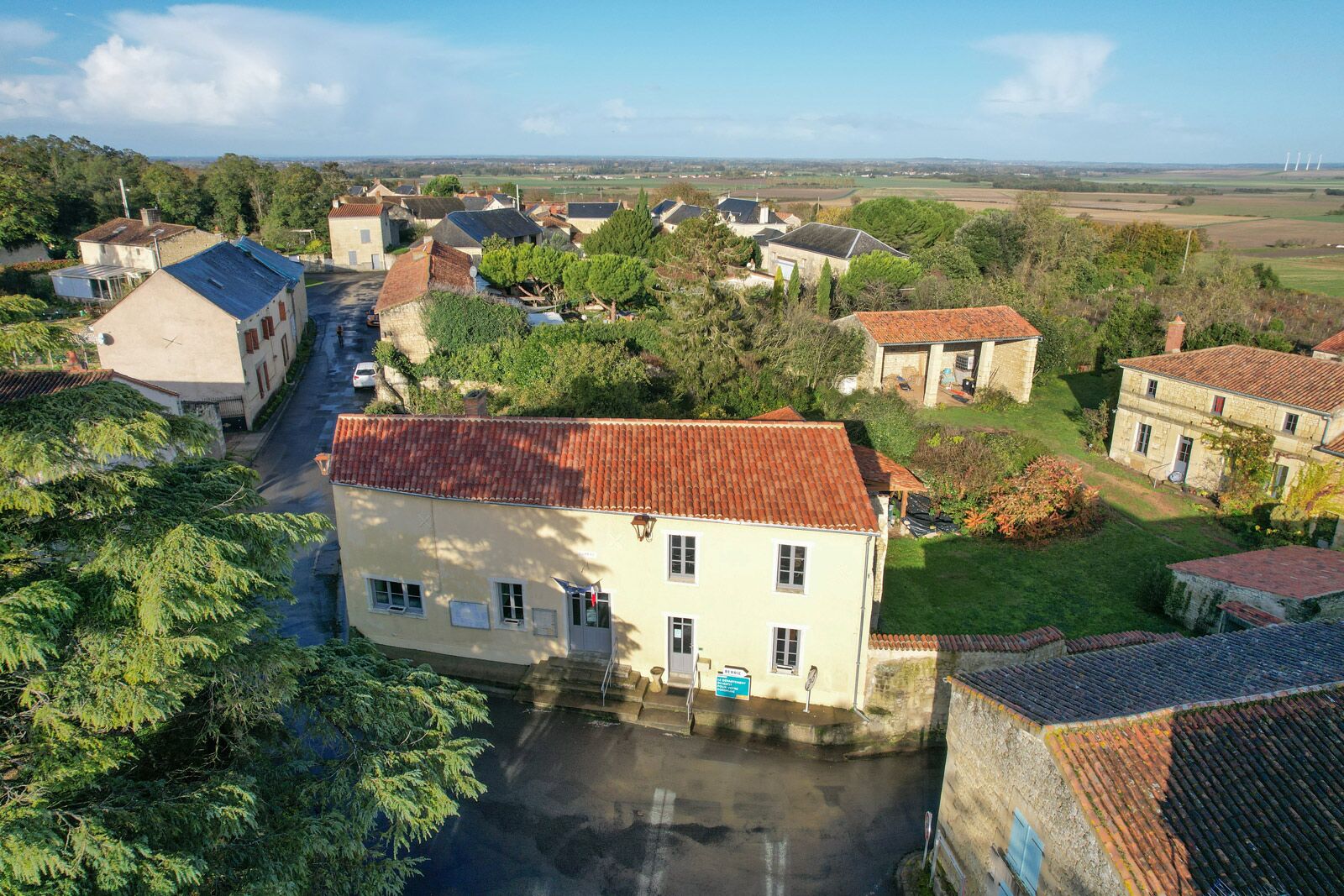
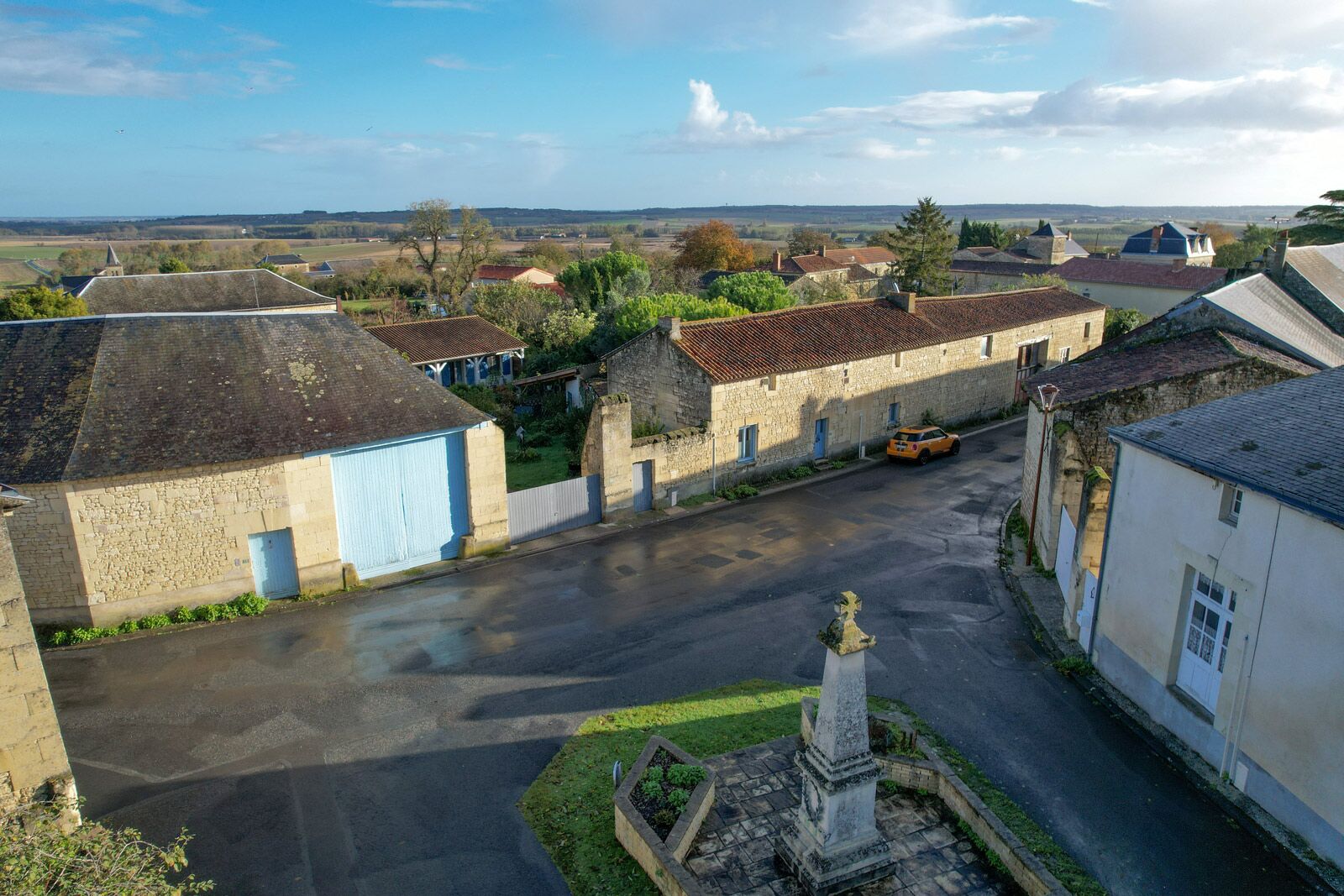
The commune of Tourtenay is located in the northern part of the Deux-Sèvres department. Situated on a hill, it offers panoramic views of the neighboring Vienne and Maine-et-Loire departments.
A Rabelaisian legend says that the hill of Tourtenay is a clod of earth that fell from Gargantua’s hoof as he crossed Poitou. Beyond this imaginative tale, the origins and history of the commune are not well documented. However, archaeological discoveries show that the area was inhabited as early as the Bronze Age and during the Gallo-Roman period.
The first recorded mention of Tourtenay dates back to the 7th century: it was given by a Poitevin noble named Astase to Achard, abbot of Jumièges. After that, historical records become scarce.
To learn about Tourtenay and follow its development through the centuries, certain sites and buildings provide valuable clues.
Gallery


